Ongoing Gaza Strikes and Hostage Talks
As the sun sets on October 5, 2025, the skies over Gaza remain scarred by the thunder of Israeli airstrikes, a grim counterpoint to the diplomatic whispers echoing from Cairo. In the past 24 hours alone, at least 63 Palestinians have been killed in relentless bombardments targeting Hamas infrastructure, according to Gaza health officials cited in international reports. Displaced families huddle in makeshift shelters, their uncertainty compounded by the faint hope of indirect talks set to begin tomorrow in Egypt. These negotiations, mediated by the United States, Qatar, and Egypt, center on U.S. President Donald Trump’s ambitious Gaza peace roadmap—a plan that promises a full ceasefire, the release of all remaining Israeli hostages, a massive prisoner exchange, and the blueprint for a new Palestinian governing authority.
The stakes could not be higher. Nearly two years into the Israel-Hamas war—now marking Day 730 of conflict—over 40 Israeli hostages remain in Gaza, their fates intertwined with the lives of thousands of Palestinian civilians caught in the crossfire. Israeli Prime Minister Benjamin Netanyahu has struck an optimistic yet firm tone, hinting at “imminent” hostage releases during the Jewish holiday of Sukkot, which begins October 6. In a televised address, he warned that any delays could prompt a resumption of full-scale operations, underscoring Israel’s unyielding demand for the immediate return of captives, including the bodies of those killed in captivity. Hamas sources, speaking to Al Arabiya, revealed that militants are actively gathering hostage remains above ground to facilitate a handover, but insisted that Israeli strikes must cease first to ensure safe transit.
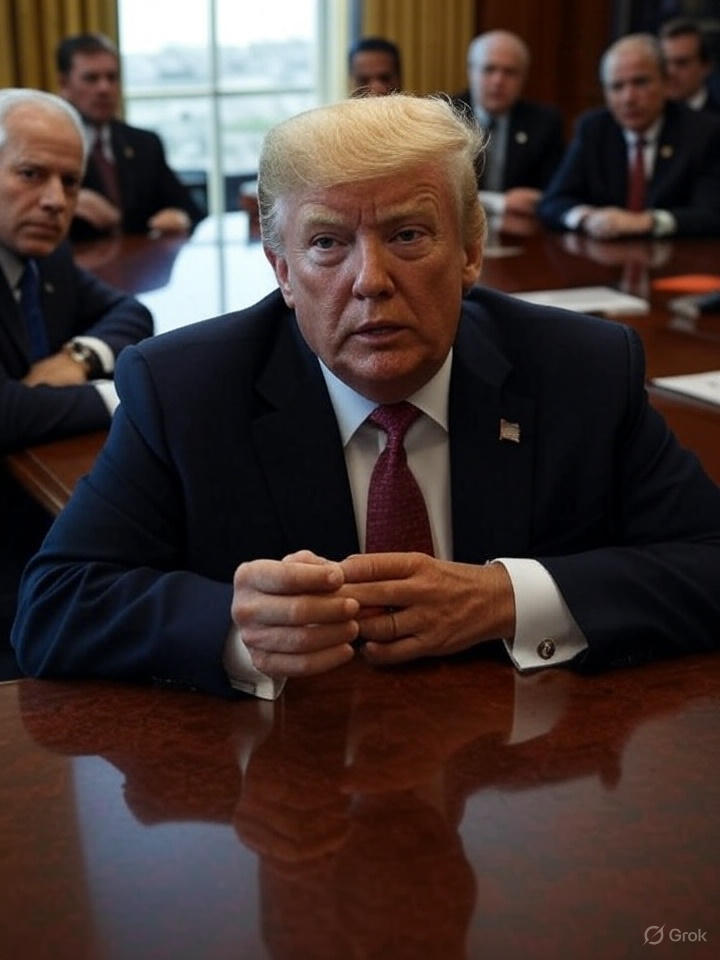
Trump, ever the dealmaker, has injected fresh momentum into the process. Declaring today a “very special day,” he celebrated Hamas’s “in principle” acceptance of his proposal, predicting the hostages’ freedom “very soon.” Yet, his administration’s envoy, Secretary of State Marco Rubio, tempered the euphoria with a stark call for Israel to pause its bombardments. “You can’t release hostages in the middle of strikes,” Rubio told CBS News, echoing Trump’s broader plea while noting Israel’s eroding global support amid mounting civilian casualties. On NBC’s Meet the Press, Rubio outlined a potential first step: an Israeli withdrawal to pre-strike lines in Gaza City in exchange for initial hostage releases, framing it as a “quick win” to build trust.
International observers, from the BBC to Al Jazeera, highlight the talks’ fragility. Hamas has balked at handing over all captives within 72 hours, citing logistical hurdles, while Israeli hawks decry any concessions without Hamas’s full disarmament. Egypt’s hosting role is pivotal, with Cairo’s diplomats shuttling proposals to bridge the gap. Yet, as strikes persist—killing at least 24 more in northern Gaza today—the specter of escalation looms large.
For Gaza’s 2.3 million residents, enduring blackouts, famine risks, and displacement, these talks represent a lifeline. Trump’s plan envisions a demilitarized Gaza under reformed Palestinian leadership, potentially sidelining Hamas entirely—a prospect the group views as existential. Critics argue the roadmap overlooks root causes like settlements and statehood, but proponents see it as the most viable path since the war’s outbreak.
As negotiators converge on Cairo, the world watches breathlessly. Will the clatter of diplomacy drown out the bombs? Or will renewed violence shatter this tentative dawn? The answer may hinge on tomorrow’s breakthroughs—or breakdowns.


Post Comment